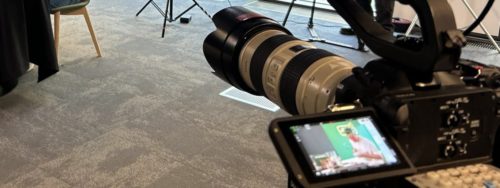
Two days of filming. Ten testimonial interviews. A couple of daily highlights videos and a final event film.
It’s a familiar brief for anyone working in B2B conference video production. And there’s absolutely nothing wrong with those deliverables.
But there’s an important distinction between knowing which videos you want to produce and having a strategy for what those videos need to achieve.
If you’re responsible for marketing an established B2B conference, or even an entire portfolio of events, chances are you’re already investing in video. You’ve got footage of industry leaders, interviews with delegates, recordings of conference sessions and plenty of content showcasing the experience.
The question is, how much of that content is actually working for your business?
With increasing pressure to generate registrations, attract sponsors and make marketing budgets go further, there’s a significant opportunity to get more commercial value from the footage you’re already capturing.
And that doesn’t necessarily mean spending more money.
Here are six ways to make your conference video strategy work harder.
1. A filming brief isn't the same as a content strategy
Most event video briefs start with a list of deliverables.
That’s understandable. You need to know how many interviews you’re filming, which sessions need recording and when your highlight videos will be delivered.
But before deciding what to film, there’s a more important question to answer: what are we trying to communicate?
Imagine you’re organising a major industry conference that positions itself as the place where business gets done.
Your marketing messages talk about valuable connections, commercial opportunities and the deals that happen when the industry comes together.
But when it comes to filming testimonials, the questions focus on whether people enjoyed the event, what they thought of the venue and whether they’d recommend attending.
You’ll probably get some positive answers. But are they actually reinforcing the reasons you want people to attend?
Instead, you could be asking:
- What commercial opportunities have come from attending?
- Have you made any connections that could lead to new business?
- What makes this event valuable enough to justify the time and investment?
- What would you say to somebody considering attending next year?
We’ve seen firsthand how the right questions can make a significant difference to the content captured.
A positive testimonial is useful. A testimonial that provides evidence of the commercial value of attending is considerably more persuasive.
The takeaway: Don’t just tell your video production partner what you want filmed. Make sure they understand the positioning of your event, your commercial objectives and the messages you need the content to communicate.
2. Create different video content for delegates and sponsors
For most B2B conference organisers, two of the biggest commercial priorities are increasing delegate registrations and generating sponsorship revenue.
Video can support both, but the content that influences each audience is likely to be very different.
Video content that drives conference registrations
When someone is considering attending a conference, they’re making an investment.
Even if the event itself is free, there’s time away from work, travel, accommodation and other commitments to consider.
They need a compelling reason to attend.
Rather than relying entirely on footage of busy exhibition halls and networking drinks, think about how your videos can demonstrate the actual value of being there.
That might be a delegate discussing an important business connection they made, an industry leader explaining what people can learn from attending, or an attendee sharing a practical insight they’ve taken back to their organisation.
You’re giving prospective delegates genuine reasons to register.
Video content that helps attract sponsors
Sponsors and exhibitors have a different set of priorities.
They’re investing in access to a particular audience, opportunities to develop relationships and, ultimately, commercial results.
Yet sponsorship videos can sometimes focus too heavily on how busy the exhibition floor was or how much exhibitors enjoyed the experience.
What about the return on their investment?
Imagine hearing from a sponsor who can explain how attending helped them generate qualified leads, develop a valuable partnership or secure new business.
That’s a much stronger message for your sponsorship sales team.
Of course, not every sponsor will be able or willing to share specific commercial figures. But even credible examples of the opportunities created can be valuable.
The important thing is selecting the right people to interview and asking questions that help bring those stories to life.
The takeaway: Your delegate marketing and sponsorship campaigns need different messages. Make sure your filming plan captures evidence that supports both.
3. Stop sitting on valuable footage. Repurpose it.
This is potentially one of the biggest opportunities for conference marketing teams.
You’ve invested in bringing hundreds or thousands of professionals together. You’ve paid for filming, captured hours of interviews and produced the videos originally included in your brief.
But what happens to the remaining footage?
Often, there’s considerably more valuable content sitting within those recordings than makes it into the final edits.
And with developments in AI-assisted video editing, making use of that content is becoming much more cost-effective.
How 40 additional videos could come from footage already captured
Following a recent conference project, we identified an opportunity to create 40 additional short-form videos, each approximately 20–30 seconds long, using testimonial interviews we’d already filmed.
The proposed additional editing cost was just £1,400, with no extra filming required.
That’s potentially one video every week for 40 weeks, using content the organiser had already invested in capturing.
The clips could feature different attendees discussing their experiences, the value of the event and the opportunities it created.
Rather than concentrating promotional activity around the weeks immediately before and after the conference, those stories could support a consistent content campaign throughout much of the year.
And that’s just from testimonial footage.
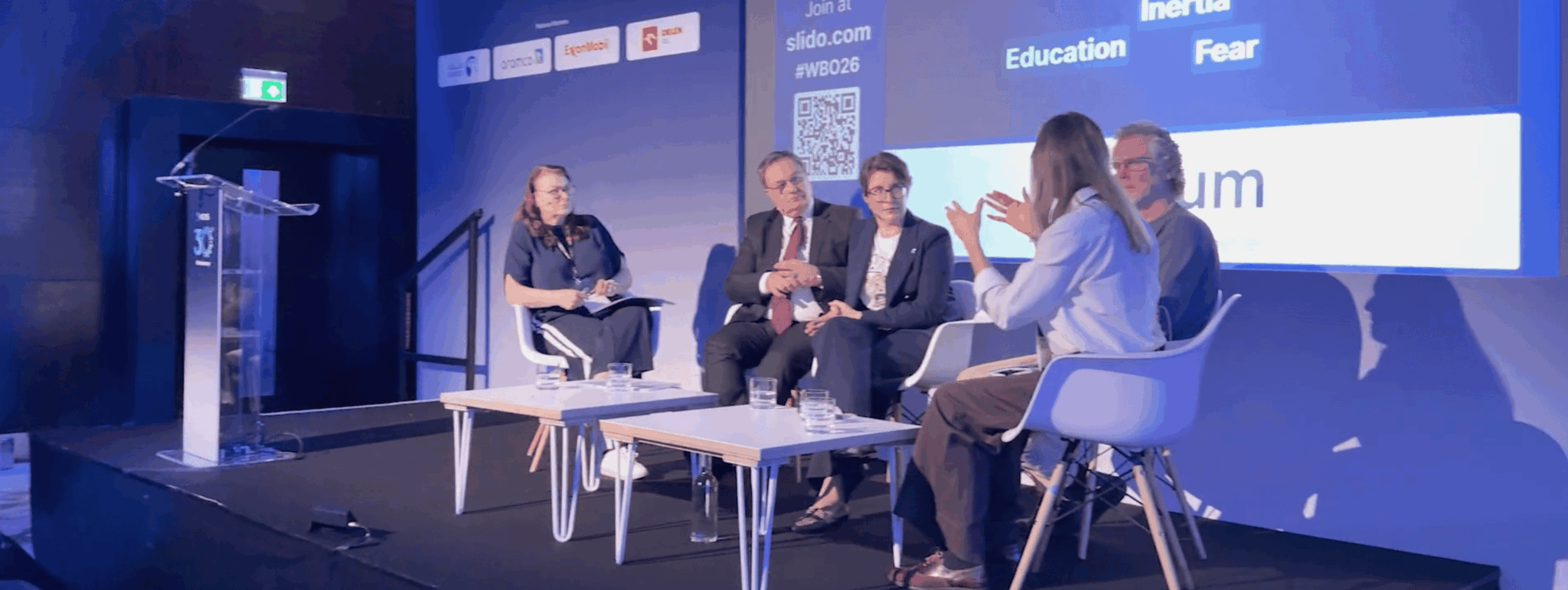
Recorded conference sessions, speaker interviews and panel discussions can offer even more opportunities.
Where AI-assisted editing makes a difference
Traditionally, reviewing hours of interviews, identifying usable sections and turning them into individual social videos could be a time-consuming process.
AI-assisted workflows can help make that process more efficient.
But the objective shouldn’t simply be to create as many videos as possible.
Forty clips that communicate genuinely useful messages are worth far more than a hundred clips that add little value.
The content still needs careful selection, editorial judgment, accurate captions and consistency with the event’s messaging.
The takeaway: Before commissioning more filming, look at what you’ve already captured. You might have enough valuable content to support months of additional marketing activity.
Download the free Marketer’s guide to creating videos that deliver results
4. Turn conference speakers into a year-round content opportunity
One of the greatest assets a B2B conference organiser has is access to industry expertise.
You’ve brought together knowledgeable speakers, senior decision-makers and people discussing some of the most important issues facing your sector.
Why should that knowledge only be available to people attending the conference?
A recorded panel discussion or keynote presentation could contain dozens of interesting observations, opinions and practical insights.
Rather than publishing one hour-long recording and hoping people watch it, consider identifying individual topics that could become standalone pieces of content.
For example, a session discussing the future of an industry might provide separate clips covering emerging technologies, regulatory challenges, market opportunities and predictions for the coming year.
Each clip can be shared with a relevant audience, encouraging discussion and reinforcing the event’s position within the industry.
Provide value before asking people to register
Not every video needs to be overtly promotional.
In fact, constantly telling people why they should attend your next conference can become repetitive.
Sharing genuinely interesting insights from industry experts gives people a reason to follow your event brand between conferences.
It also allows you to demonstrate the quality of the discussions taking place at your events without repeatedly delivering the same promotional message.
When registration campaigns begin, your audience has already been exposed to valuable content associated with the event.
Naturally, you’ll need to consider speaker permissions and recording rights, particularly when repurposing presentations and panel discussions.
The takeaway: Think of your conference as a source of industry content, not simply an event to promote. The expertise you bring together can help build an engaged audience throughout the year.

5. Maintain consistent video production across your entire event portfolio
If you’re responsible for multiple conferences, particularly across different countries, managing video production introduces another challenge.
Different events might use different filming crews, editors and production companies.
And while the individual videos might all be perfectly good, the overall result can feel inconsistent.
Different graphics, interview styles, editing approaches, music choices and delivery standards can create a disconnected experience across what should be a recognisable portfolio of events.
Use local filming crews, but centralise your editing
There are clear commercial advantages to working with locally based videographers.
Sending a production team halfway around the world isn’t always necessary, particularly when reliable local crews are available.
But that doesn’t mean every filming crew needs to handle its own editing.
A centralised post-production approach can make a significant difference.
By maintaining consistent brand guidelines, graphics, editing styles and delivery requirements, you can ensure content produced across multiple events feels connected.
It also makes it easier to manage the repurposing of footage, maintain consistent output across different formats and establish a repeatable process.
This becomes particularly valuable when you’re producing regular interview content or managing marketing campaigns across an international event portfolio.
The same approach can help create consistency in how interviews are conducted, what footage is captured and how content is organised after each event.
The takeaway: Local filming can help control production costs. Centralised editing and consistent creative direction can help maintain quality and brand consistency across your event portfolio.
6. Make your conference video budget work harder before filming begins
Getting greater value from event video doesn’t necessarily require a bigger budget.
Often, it comes down to better planning.
Before commissioning your next conference video project, consider three things.
Identify the stories you need to tell
Start with the commercial objectives.
Are you primarily trying to increase registrations for next year’s event? Demonstrate value to existing sponsors? Attract new exhibitors? Or establish your conference as a leading source of industry insight?
Different priorities require different content.
If delegate registrations are the focus, you might prioritise interviews demonstrating what people gained from attending, supported by engaging footage of the experience.
If sponsorship revenue is the priority, you might spend more time capturing credible stories from exhibitors and sponsors about the opportunities the event has created.
Prioritise people and opportunities you can’t easily recreate
Filming schedules at major conferences can be incredibly busy.
There are multiple sessions, networking activities, sponsor commitments and competing demands on your production crew.
When time is limited, prioritise the opportunities you might not get again.
That industry-leading speaker may only be available for ten minutes. A valuable sponsor might only be attending for one day. An important conversation could be happening at a particular moment.
Booking the right interviews in advance, understanding who’s attending and knowing which stories matter most can make an enormous difference.
An experienced production partner should be able to help identify and prioritise these opportunities, rather than simply turning up with a camera and working through a list.
Plan distribution before you start filming
Finally, think about where the content is going to be used.
A video designed to support a LinkedIn advertising campaign needs a different approach from a sponsor case study or a longer thought leadership interview.
Likewise, content intended for immediate publication during the event will have different production requirements from material you’re planning to release over the following six months.
Think about the formats, messaging and publishing schedule before filming begins.
And consider how you’ll measure performance.
For registration campaigns, that might include website traffic, enquiries and registrations associated with video-led activity.
For sponsorship, it might be how content supports commercial conversations, generates enquiries or contributes to renewals.
Video won’t always be the sole reason somebody registers or sponsors an event, but understanding how it contributes to those decisions can help you make better investment decisions.
The takeaway: A clear content and distribution plan helps you make the most of the filming time and budget available.
Frequently asked questions about conference video strategy
How many videos can you create from one conference?
There isn’t a fixed number. It depends on the quality of the footage, the number of interviews and sessions captured, and the messages within them.
A single conference can provide material for dozens of short-form videos, particularly when speaker interviews, testimonials and panel discussions are recorded with repurposing in mind. The priority should always be creating useful content rather than maximising the number of clips.
Is it worth recording every session at a B2B conference?
Not necessarily. If your budget is limited, focus on sessions with the strongest potential for future marketing.
Consider the relevance of the topic, the quality of the speakers, the likelihood of capturing useful standalone insights and whether you have permission to repurpose the content.
Recording fewer, carefully selected sessions can sometimes offer more value than capturing everything without a clear plan for using it.
How can you measure the return on investment from event video?
Start by measuring video against its intended commercial purpose.
For registration-focused content, track campaign traffic, registration conversions and cost per registration where attribution is available.
For sponsorship-focused content, look at how videos contribute to sponsor enquiries, sales conversations and renewals.
For year-round thought leadership, consider relevant audience engagement, qualified traffic and whether the content is helping maintain interest between events.
Make more of the video content you’re already creating
B2B conference organisers are already investing significant time and money in bringing their industries together.
The opportunity isn’t always to capture more footage. It’s to make better use of the expertise, conversations and commercial stories that are already being captured.
That means aligning video content with your marketing objectives, creating different messages for different audiences, repurposing footage intelligently and maintaining a consistent approach across your event portfolio.
At Seven Video, we work with B2B event organisers to plan, capture, edit and repurpose video content that supports their wider marketing objectives.
Whether that’s filming a major international conference, producing interviews with industry leaders or finding new ways to turn existing footage into useful content, our focus is on helping event marketing teams get more value from their investment.
Already investing in conference video?
Let’s look at how you could get more from the footage you’re capturing and make your video budget work harder. Book a call with us below
Free ebook
The Marketer’s guide to creating videos that deliver results
From business objective to strong video idea, with 2 templates inside. 30 pages.